David Rutland & Co. Ltd

Planning

A Quick Guide


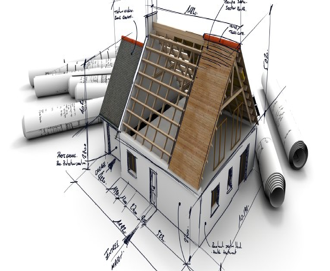
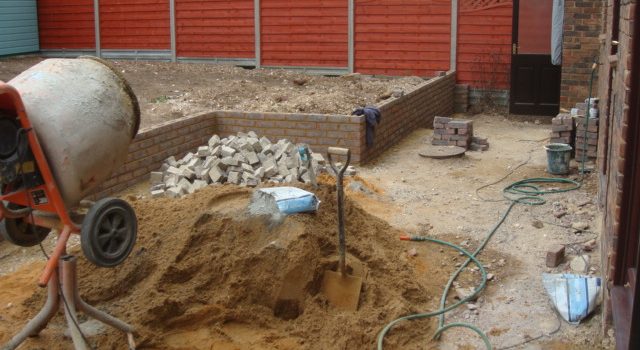
Planning regulations changed quite a bit from the 1st October 2008 and has enabled some projects to be enabled to proceed without planning permission being required for some projects. This section takes a quick look at Loft and Garage conversions. If you are in any doubt please contact your local council planning department for advice. If you are considering an external extension to your existing home then planning permission will still be required. We are happy to work with your own architect or can use the services of an approved local architect to take unnecessary hassle from you.

Garage Conversions

Planning permission for this work is not usually required, provided the work is internal and does not involve enlarging the building. In some situations permitted development rights have been removed for some properties in respect of garage conversions and you should therefore contact your local planning authority before proceeding, particularly if you live in a new housing development or in a conservation area. It should be noted that what is described here applies only to houses and not flats, maisonettes or other buildings. Where work is proposed to a listed building then listed building consent may well be required.

The conversion of a garage, or part of a garage, into a habitable space will normally require approval under the Building Regulations. Please go to www.planningportal.gov.uk for further information

Loft Conversions

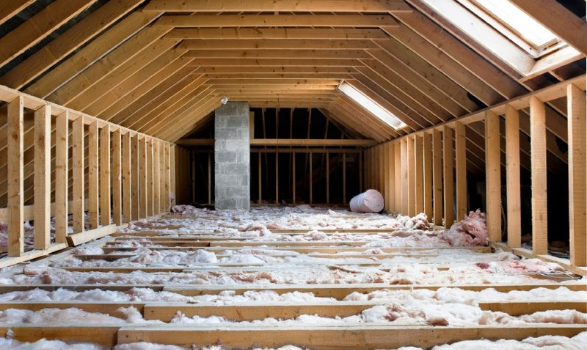
There are minimum regulations covering five categories applying to construction and design. Structural Stability - For anything other than light storage solutions you will need to install new ceiling joists and probably have to double them up. This is because the new loft room is going carry a much greater weight than before and regulations insist that the joists and load-bearing walls are strong enough to support this. Steel beams may also be needed to support the new joists. A further aspect is the structural stability of the roof itself and whether the structure requires altering to fit your new loft design. Fire Safety - Building regulations here are naturally strict and the plans for the loft conversion must give ample consideration to fire safety and include a self-closing fire door. Loft floors and walls must be able to resist fire for 30 minutes and glazed door panels must be of fire-resistant glass. Escape from the loft in the event of a fire must be addressed with each new room in the loft having an escape window of a prescribed size. This escape window can be accessed from outside by means of a ladder. Ventilation - new loft conversions require rapid and background ventilation. If the conversion includes a bathroom then mechanical ventilation is also required. In addition, the new roof must be ventilated to prevent condensation, and ventilation may also be required at eaves and ridge level. Staircases - this is probably the most important element in terms of both appearance and the practical means of getting into the new loft room. This is quite a complicated area and needs very careful consideration. It is too detailed to attempt to cover here and we recommend you visit www.planningportal.gov.uk for more information. Insulation - This is obviously another important area and good insulation is vital to ensure you are not wasting money by allowing hot air to escape during cold periods. Your whole loft, including the new internal walls, must be fully insulated. Again we suggest you visit the website mentioned earlier for further details.